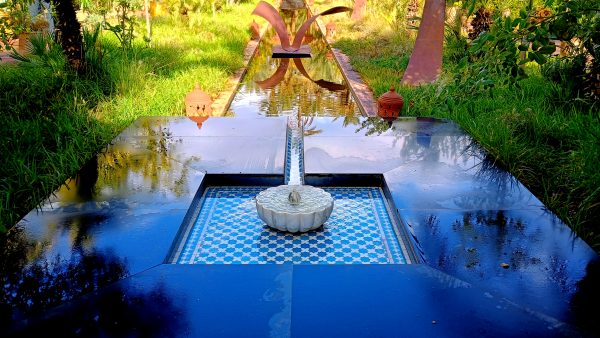
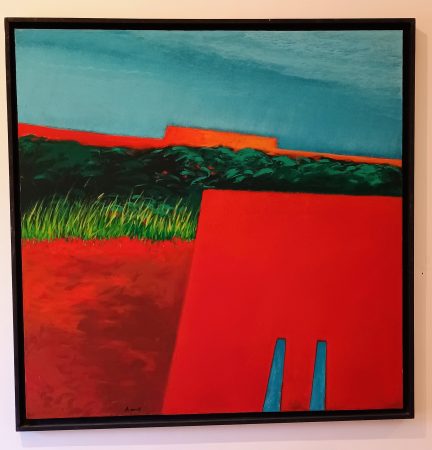
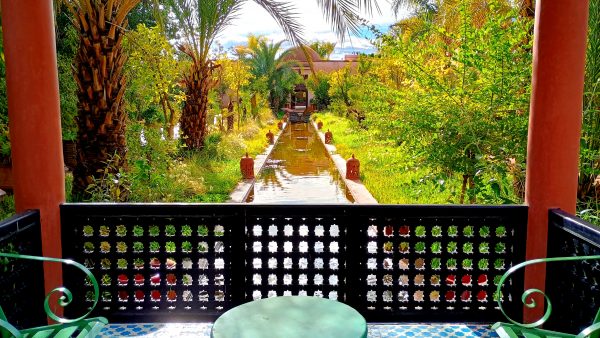
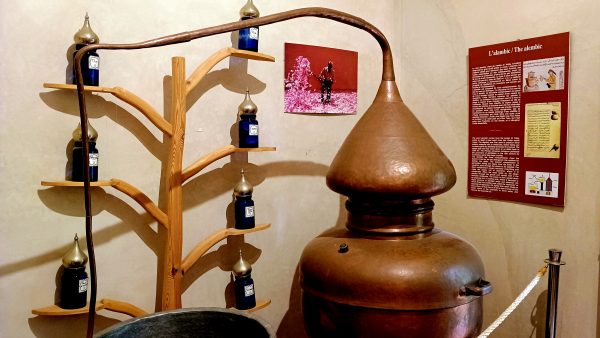
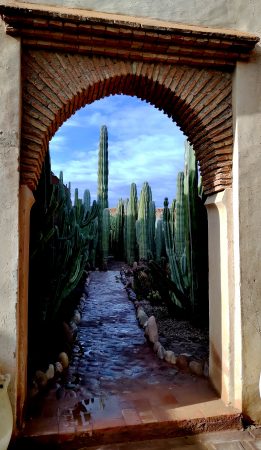
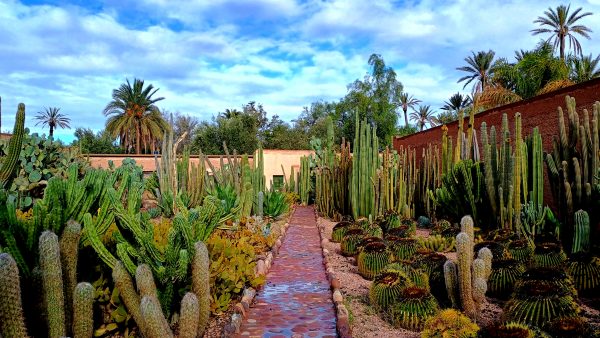
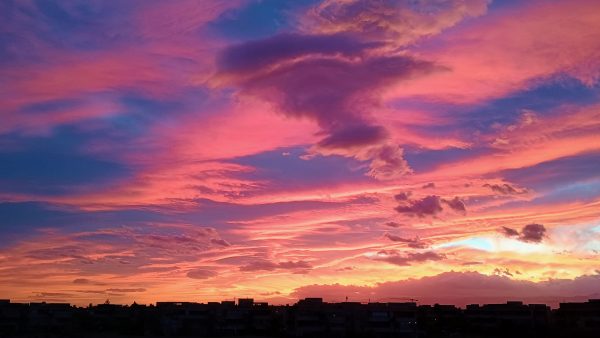
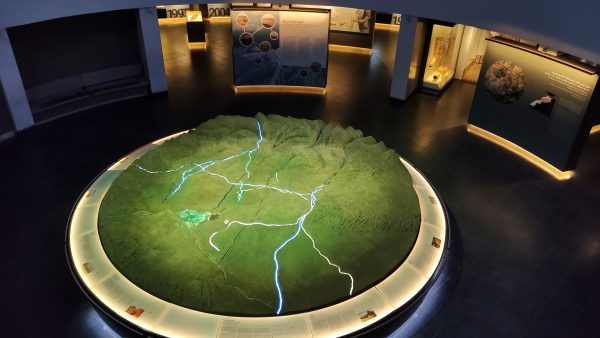
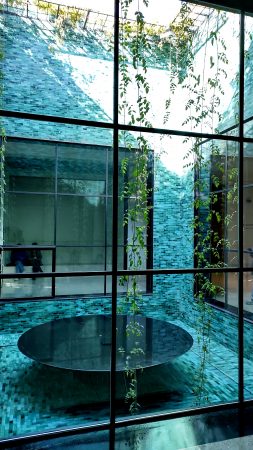
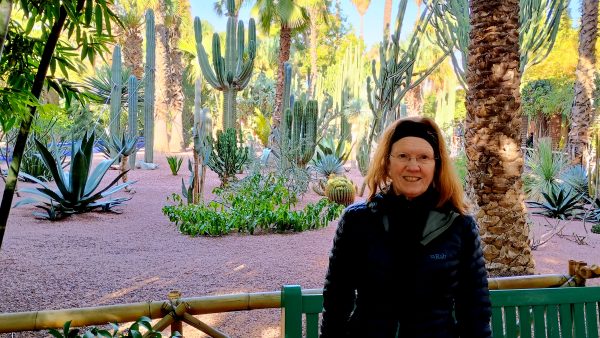
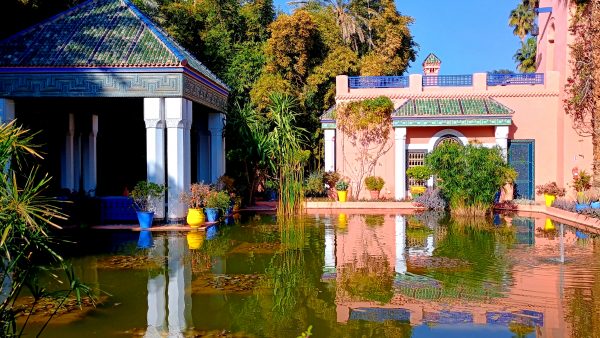
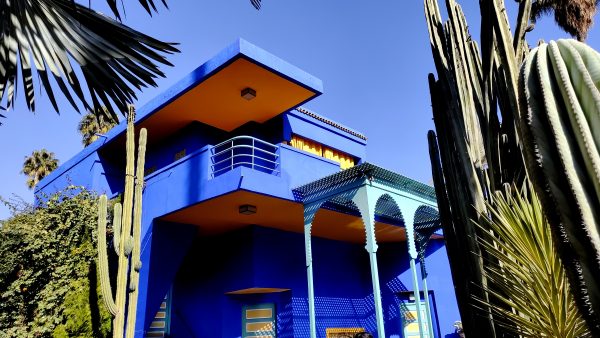
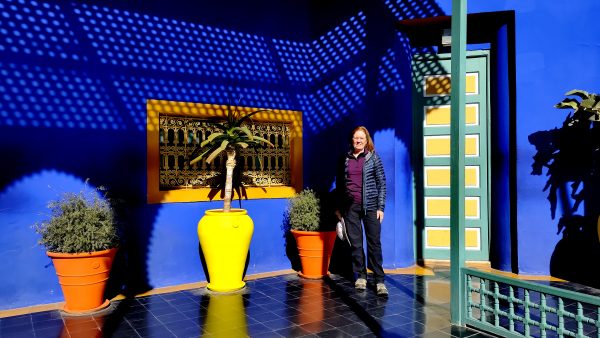
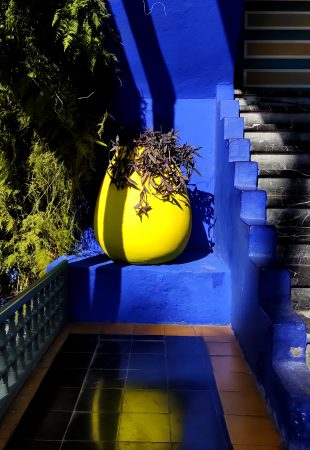
Musée de la Palmeraie was a treasure! We were fortunate to have it all to ourselves one peaceful Saturday morning. The owner — Abderrazzak Benchaâbane — was entrusted by Yves Saint Laurent in 1998 with rescuing and returning the Marjorelle Gardens to its former glory.The botanist’s residence houses his Moroccan modern art collection — this striking untitled piece spoke ‘Marrakech’ to us. Musée de la PalmeraieA meditation pergola in the serene water garden — looking back at the Andalusian style home. The gardens clearly reflect his passion for creating beautiful spaces. Musée de la PalmeraieBenchaâbane is also known for creating perfumes that are lavish and entirely unique. One exhibit was on the complexity of perfumes — like explaining how some of the fragrants were distilled. Musée de la PalmeraieThis is not a painting, but it sure looks like one! The entry to the cactus garden……A fabulous density of cacti. We appreciated seeing a lesser known but exquisite garden — that was an inspiration for YSL and revitalizing Majorelle Gardens. A great article on the owner.An oasis of tranquility. We enjoyed our visit to Musée de la Palmeraie.Wow! A most fabulous 2 January sunrise from our condo overlooking Marrakech.Marrakech also has the Musée Mohammed VI Civilization of Water in Morrocco. This is a comprehensive explanation of the country’s water resource — how it was distributed in ancient times as well as today. The displays and scale models were amazingly educational and fascinating — we discovered so much about water usage in the dry desert climate of Northern Africa.We learned all about how Morocco conserves water during drought, its water storage, desalination facilities, and how it is moving into the future — making sure water is available to all. It is a leading nation setting new precedents.
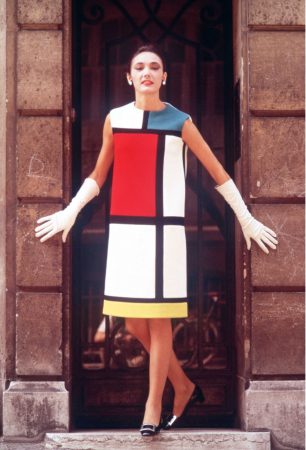
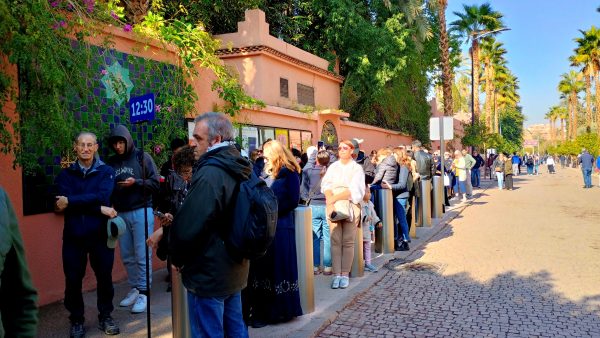
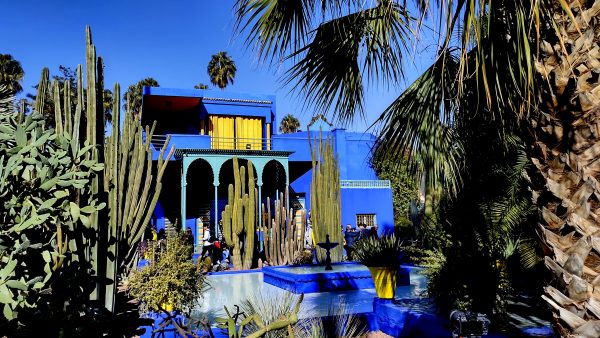
Yves Saint Laurent’s history with Marrakech began in 1966 when he first visited. This museum was completed in 2017 — the design and fantastic brick work plays homage to the rich textiles he used in his fashion designs. The architects, Studio KO, also played with the contrast between curves and straight lines.Like his fashion designs, there are aspects in the architecture just to delight your senses. Musée Yves Saint Laurent1965, he gave us the Mondrian Dress! See a detailed biography of his career here. We saw a unique personal collection of YSL fashion by Hamish Bowles — editor of Australian Vogue.Dessert at Le Studio was another sensory delight! Date infused ice cream, date cake with a caramel sauce… Musée Yves Saint LaurentA very popular attraction with limited capacity, we were first in line for our timed tickets to enter Jardin Majorelle.Designed in 1922 — purchased in 1980 by YSL and Pierre Bergé, Jardin Majorelle — is an oasis of cactus and palm trees.Jacques Majorelle (1886-1962) was a French orientalist painter and son of the famous Art Nouveau furniture designer, Louis Majorelle. He arrived in Morocco in 1917, was seduced by Marrakech, purchasing a vast palm grove in 1923 that by 1947 would become the Jardin Majorelle we know today. Photo of Lily Pond reflections.Loved these terracotta lantern sentinels! Fun also to see Islamic water features among cacti from all over the world. Jardin MajorelleMajorelle’s artist studio — 1931 art deco style by architect Paul Sinoir. The walls were painted in the now famous “Majorelle Blue” and are still captivating everyone today.It is now called Villa Oasis and was YSL home and studio. Currently exhibiting the Pierre Bergé Museum of Berber Arts since December 2011 — the jewelry room was spectacularly lit as if under a sea of stars.Such fun attention to details. And the sky is Majorelle Blue today as well.The sun was a welcome performer — giving us some interesting shadow patterns.So colorful as is much of Marrakech and the designs of YSL.Pierre Bergé was YSL life long partner — he created a foundation and donated this home, their garden, their art collections, and built the new museum — really a gift to the world.A fabulous day in Marrakech! Inspirational design every where we looked! Even the nature patterns of the cactus – in Jardin Majorelle
In the hills south of Salzburg is Hellbrunn Palace.Built in 1615, it is a fun place to explore. Unicorns outside……and inside. Nature was promoted.Roman inspired amphitheater…. Augustus in the centerWhat are we watching?The trick fountains spurt to life.All the fountains are powered by engineered water ways to create this extraordinary garden.Neptune, the Roman god of water, would be very pleased. Abundant water makes for a vibrant dahlia garden.A perfect place for the gazebo, “I am sixteen going on seventeen…” – one of the Sound of Music iconic locations in Salzburg.The mountain views from the palace grounds.
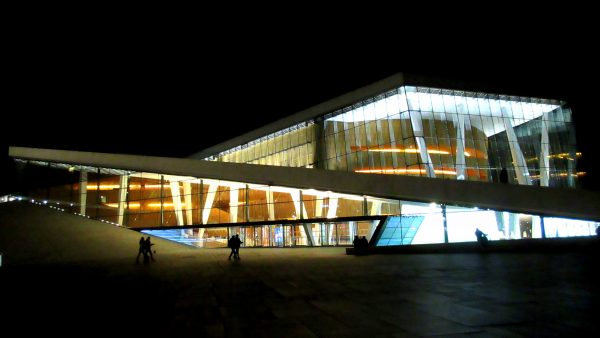
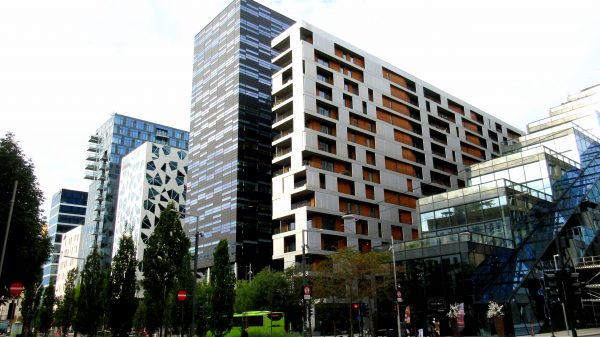
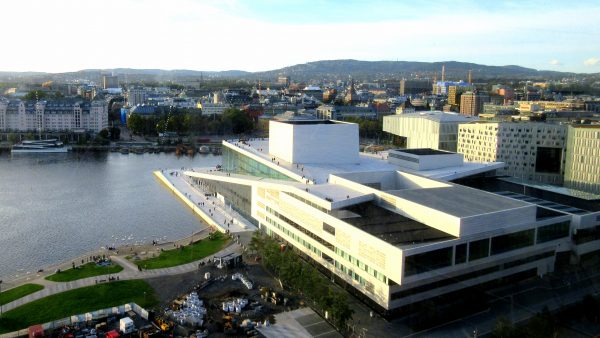
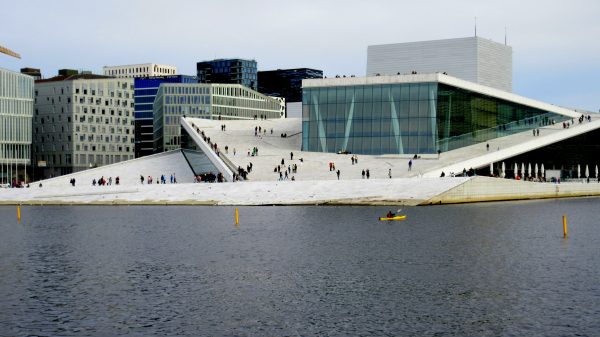
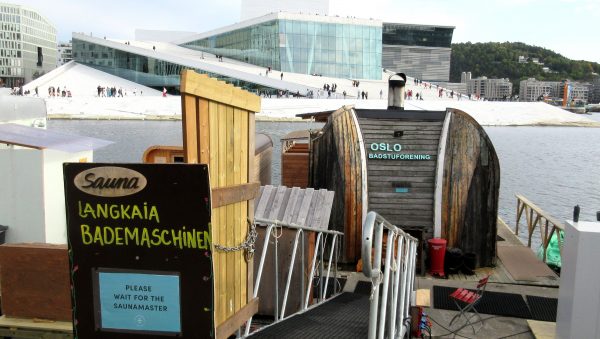
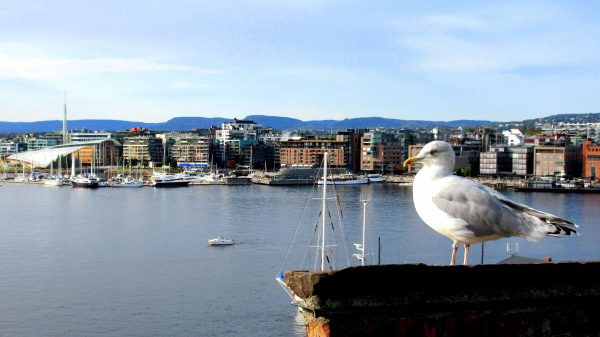
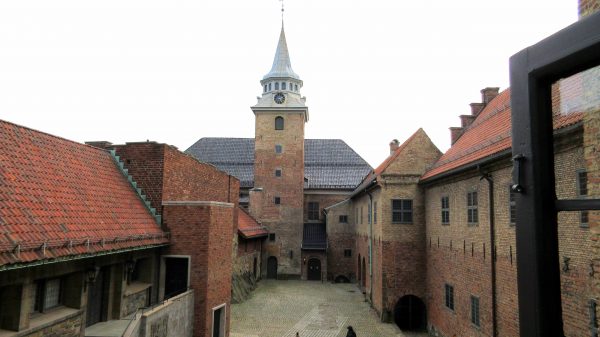
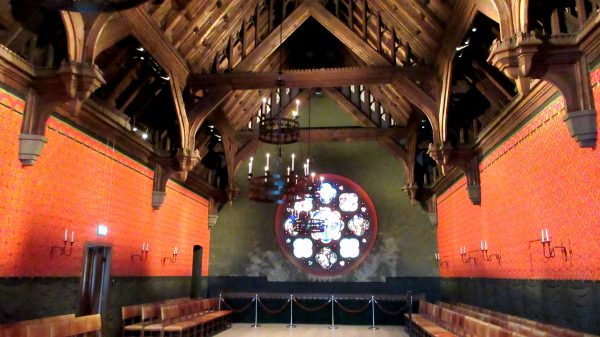
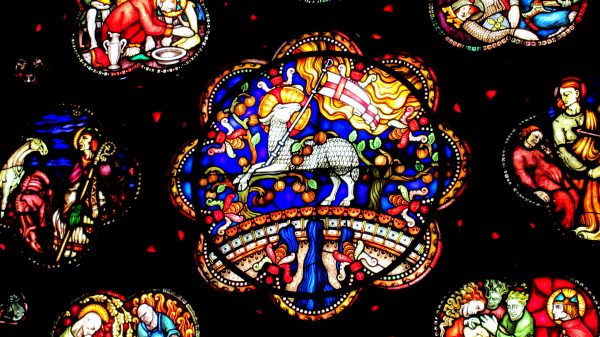
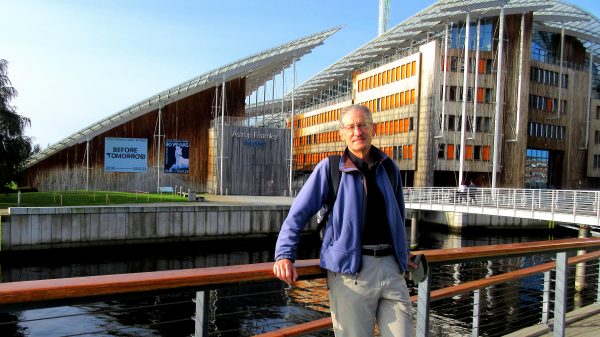
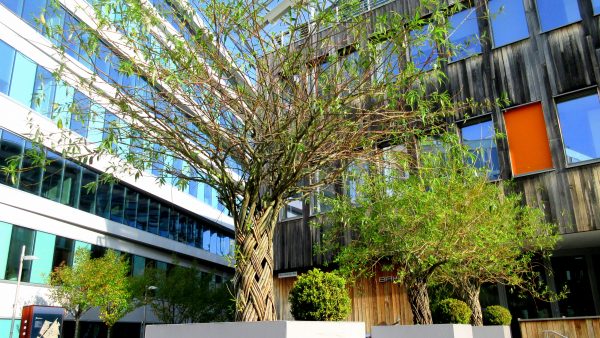
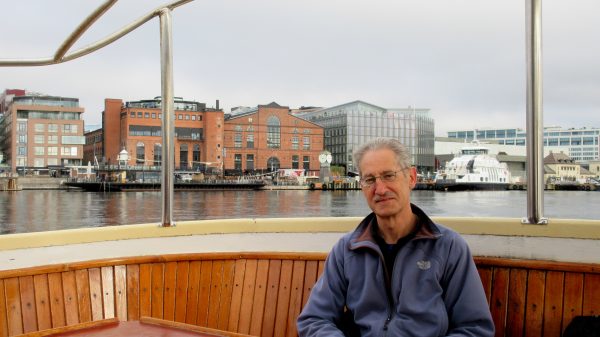
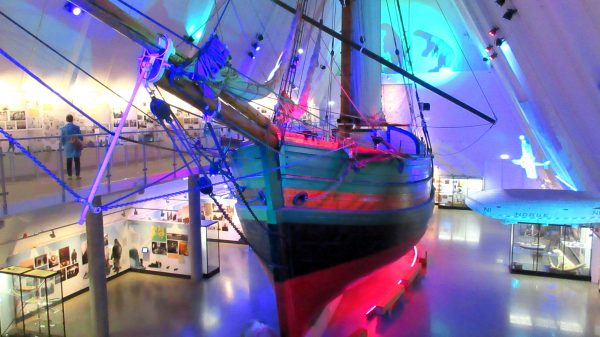
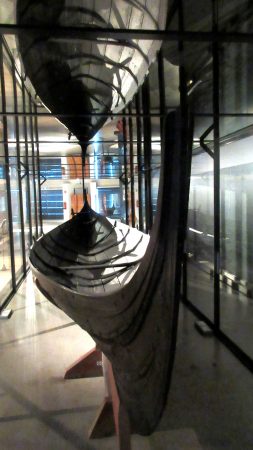
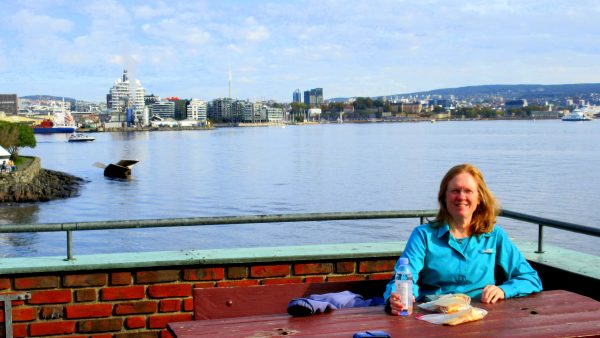
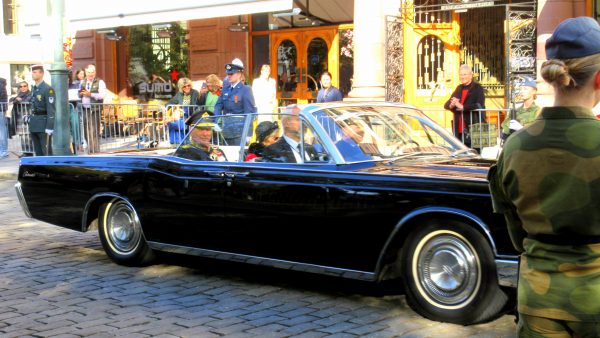
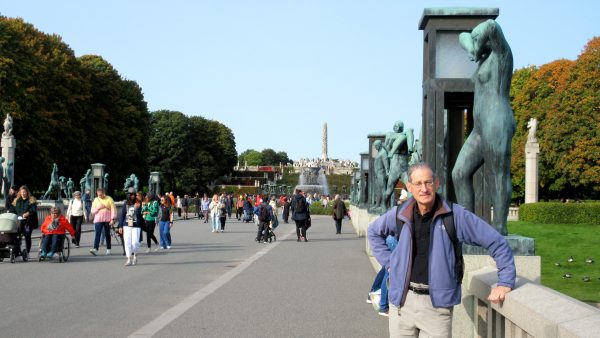
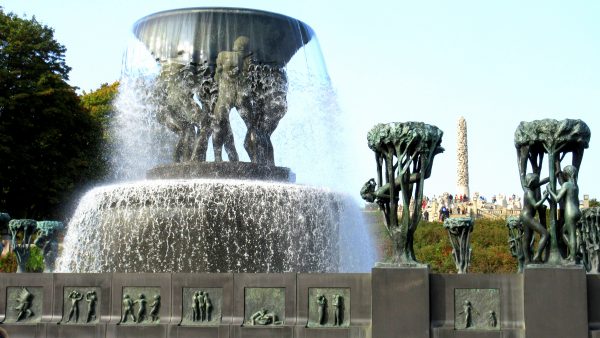
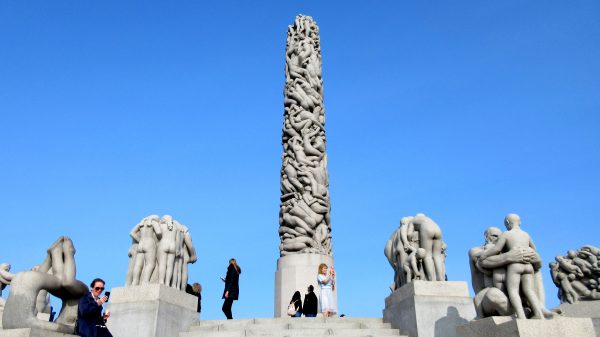
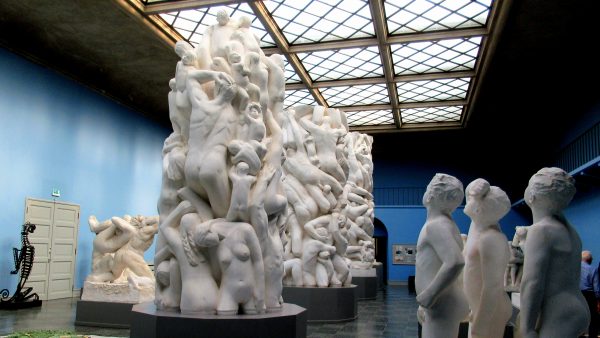
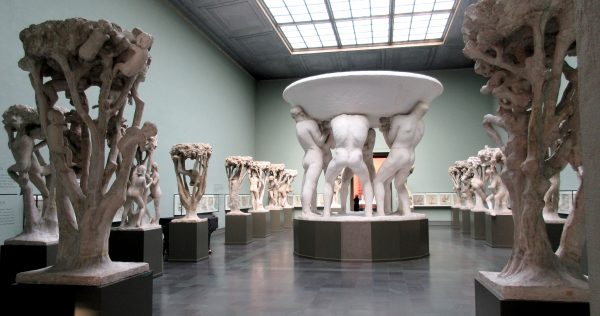
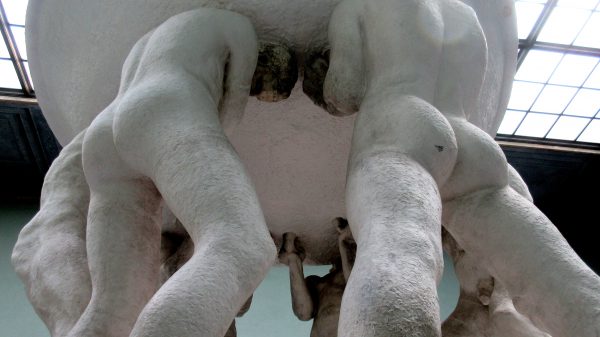
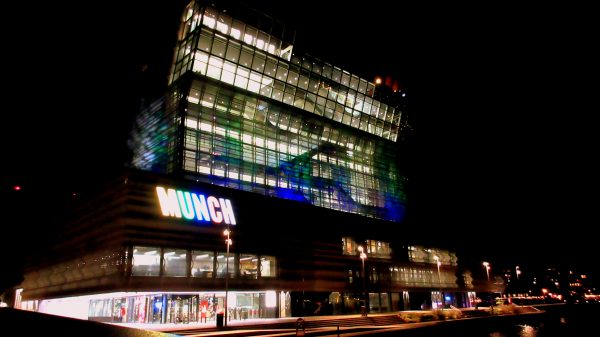
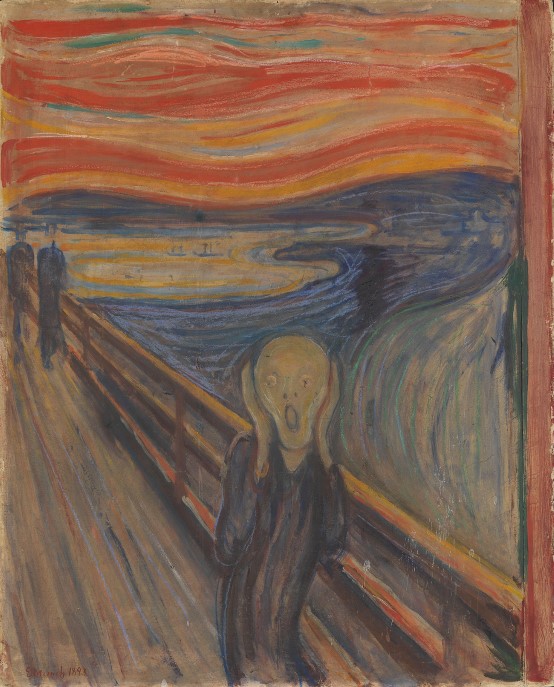
We are finishing our trip with 4 nights in Oslo without the car. The Opera House lit up at night shows off it’s structure.We are staying in an apartment in one of the new BarCode buildings. The city commissioned 12 architects to design 12 buildings that are all thin with space between so together resemble a barcode. A vibrant area with courtyards, balconies, restaurants, retail, offices, and apartments.From the nearby Munch Museum we got this view of the Opera House in the late afternoon. We enjoyed the wood cut exhibit of Edvard Munch’s and seeing that version of “The Scream”. We saw the famous oil version at the National Museum.It is very tactile to walk the roof of the Opera House! A fun experience. We did not kayak to it but enjoyed all the harbor activity.Please Wait For The Saunamaster….a title we never knew existed. Such great weather: people are using the sauna and then swimming in the fjord to cool off.From the castle on the hill you can see the entire harbor which we will explore. Watch out for the gulls! They are opportunists looking for your tasty treats.We stormed the gates of the Akershus Fortress, nicely protecting the harbor for many centuries.The great hall inside has a gorgeous ceiling and stained glass.This is designed by Emanual Vigeland who also did the stained glass in the cathedral. We saw a contemporary exhibit of a white unicorn in a blue room that seemed to be a play off of this classic piece.We walked to Astrup Fearnley Modern Art Museum, designed by Renzo Piano in 2012.I had never seen braided trees before! Interesting live sculpture.We took the ferry to Bygdoy, a peninsula across the harbor.To visit the Fram Ship Museum and also saw Roald Amundsen’s Gjoa, in which he used to complete the 1st transect of the Northwest Passage .Next we went to the Maritime Museum and saw a Viking Ship from the Gokstad discovery built around AD-890. This is possibly the one being recreated in Sandefjord as it was found near there.Bygdoy was a perfect Lunch Spot! What a great warm sunny dry day to enjoy Oslo Fjord.Near the Royal Palace we were excited to see Norway’s King and Queen – in a 1960’s Lincoln Continental. King Harald V, who has reigned since 17 January 1991 with Queen Sonja – and Crown Prince Haakon was in a car in front of them.A lovely day to enjoy the Vigeland Sculpture Park. The quantity of the sculptures adds to the quality of the bronze and marble. As well as the entertaining real people watching.Gustav Vigeland not only was the artist but also designed the park as well. Additionally he designed the Nobel Peace Prize medal.He studied in Paris and was influenced by Rodin. His knowledge of anatomy and the interest in all ages of human body is extraordinary.The nearby Vigeland Museum has the plaster works and studies done to create the bronze and marble sculptures.Really fun to experience both.Love the details.The sun has sets on our time in Norway as we enjoy the harbor lights. A great trip!
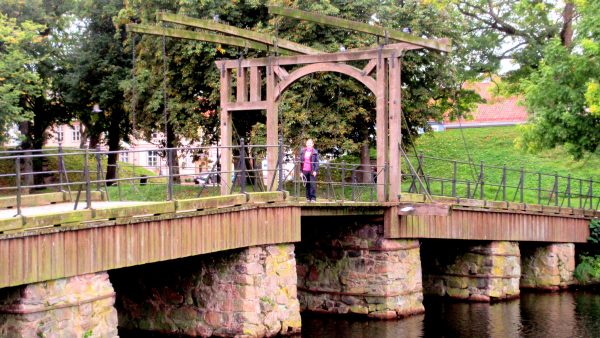
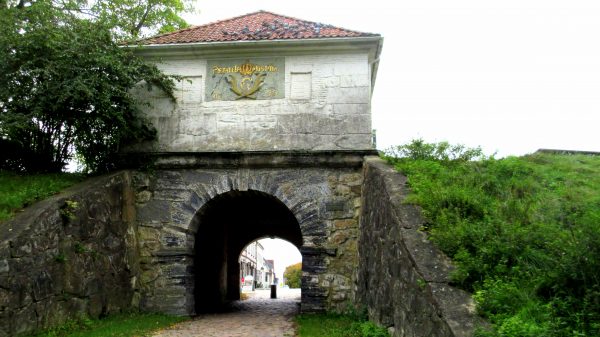
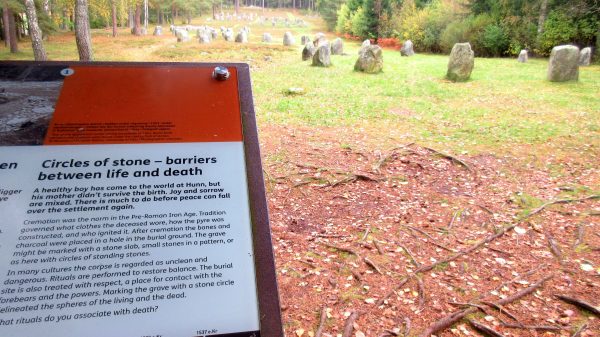
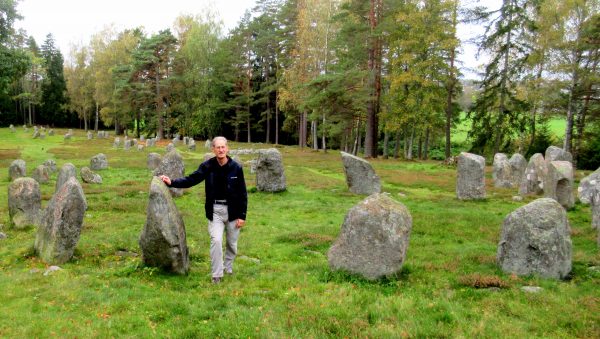
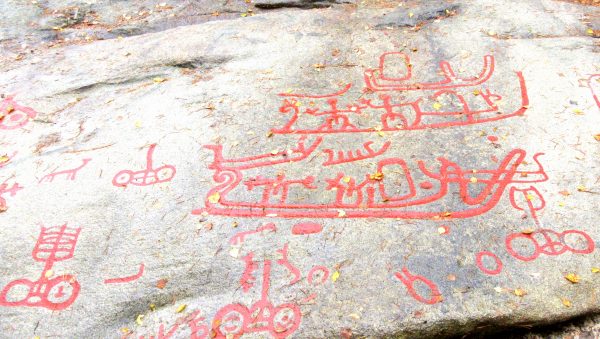
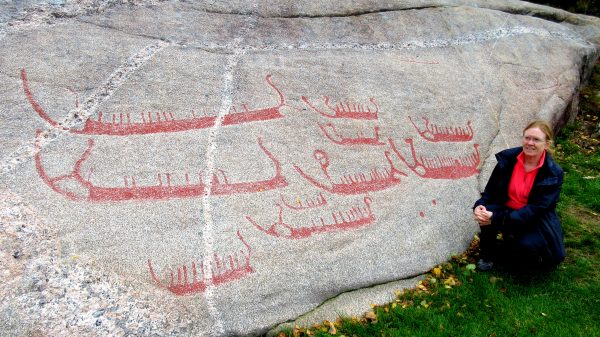
After a ferry crossing of the Fjord, we spent a couple nights near Moss, which is only an hour or so south of Oslo but a world away.Fredrikstad is a wonderfully preserved medieval town. It is protected by sea and by a moat – luckily the draw bridge is down!There are several gates to the old town of FredrikstadWe enjoyed coffee and pastries while wandering the old town. This sign reminded us of Pipo’s love of traveling!We followed the Oldtidsveien, Highway of the Ancients. Pre Roman Iron Age Circles of standing stones.Nine concentric circles – quite an achievement to contemplate how these were put in place. There are burial mounds near by and these were perhaps part of the ritual.There are many petroglyph sites also on the Oldtidsveien. Ships of the Sun: the legend is believed to be the twin warriors helping their sister the Sun, move her around the world through the darkness and through the day.This rock has 22 amazing carved ships. It is thought that the sea would have been closer to this panel, and that sunset could have been seen from here as a ritual to honor the sun, so that it will return. Or perhaps it is about ….
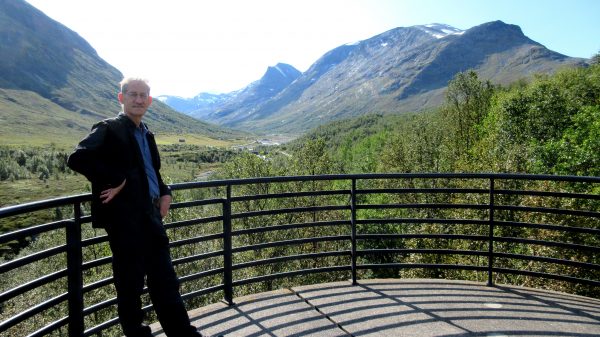
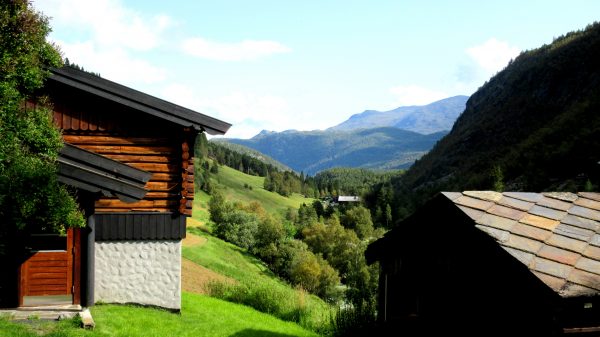
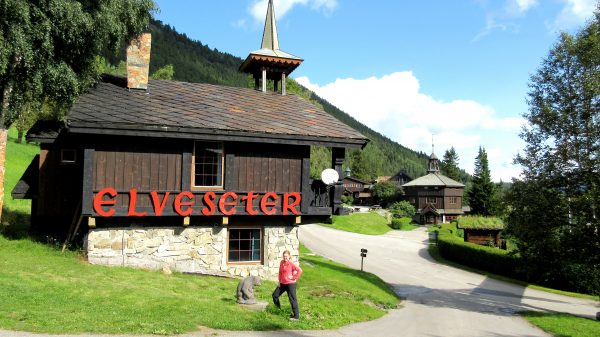
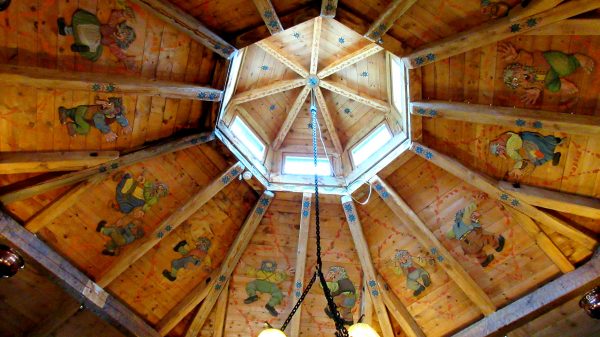
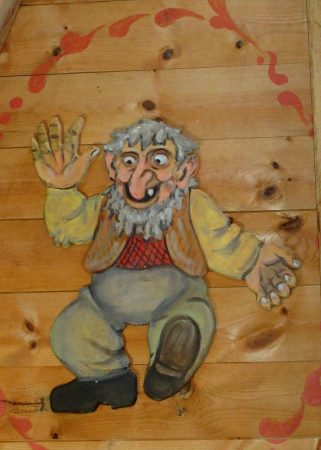
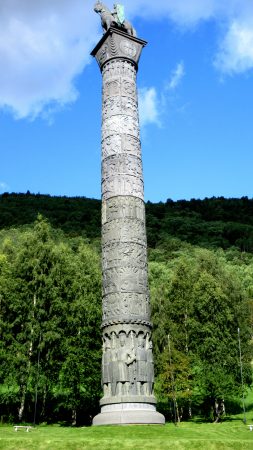
We drove north and then west into Jotunheimen NP to the Vegaskjelet Viewpoint. This is Galdhopggen, the highest peak in northern Europe at 2469 meters (8,100 feet).We enjoyed views up and down the Boverdalen valley and made a stop at the Eleveseter Hotel.Fun historic architecture (and interior finishings) with slate roofs at the Eleveseter Hotel.Inside the octagonal building is a dining room with a painted ceiling at Eleveseter HotelOf course we are in Troll country!There is also the Sagasoyla Column with the history of Norway carved in layers which is here because Åmund Elvesæter campaigned to have it finished.
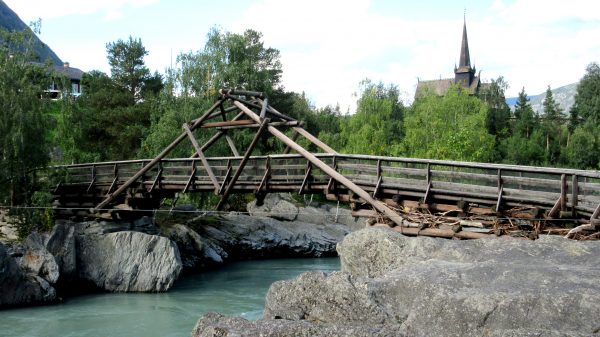
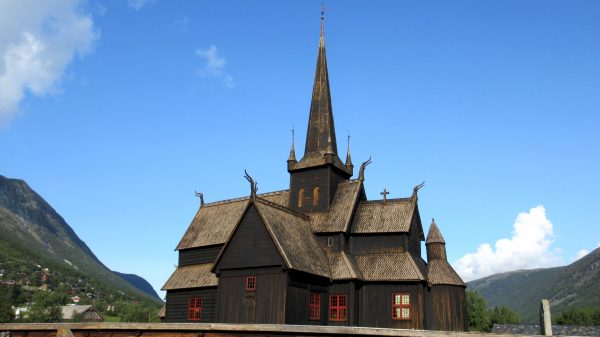
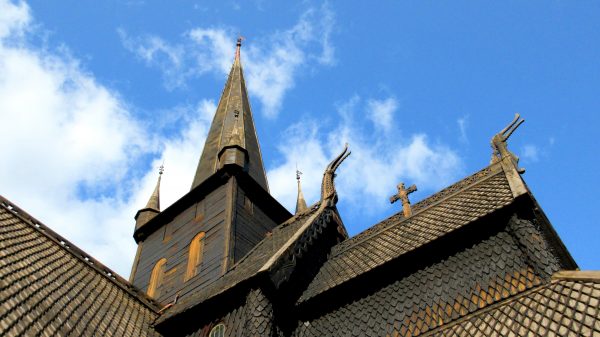
We followed the river to Lom Bakery for some fresh baked goodies and a loaf of bread to go. The National Park visitor center is here as well as the stave church.Impressive Stave Church in Lom was worth a wander. “Stave” means vertical planks of wood in case you were wondering as we were.Detail shot of building techniques from 1158 when this Stave Church was constructed.
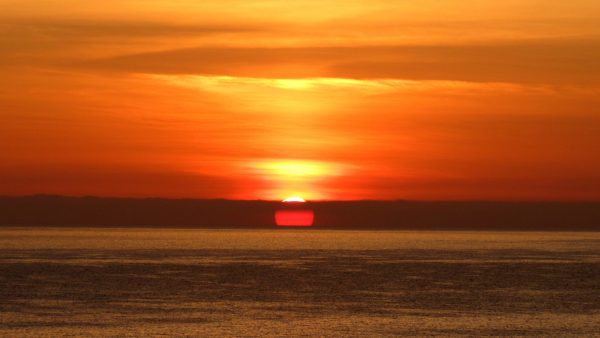
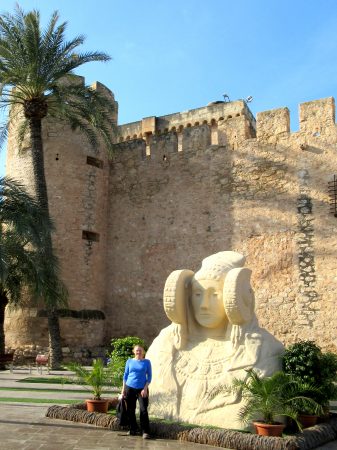
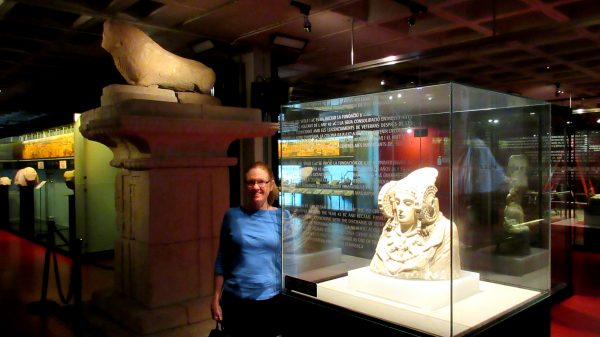
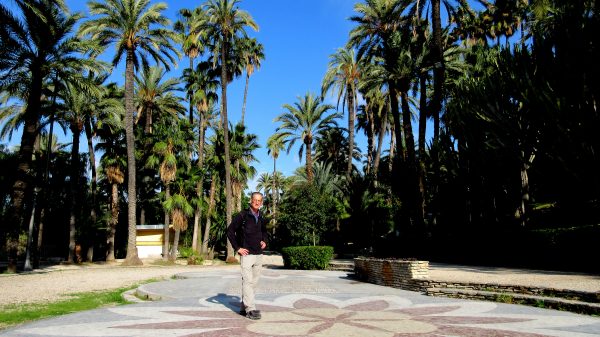
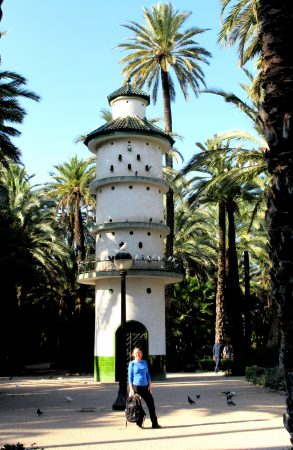
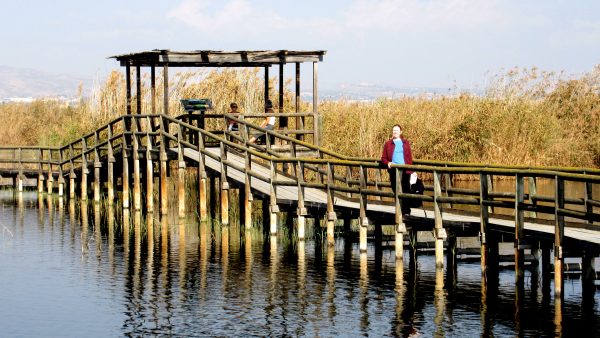
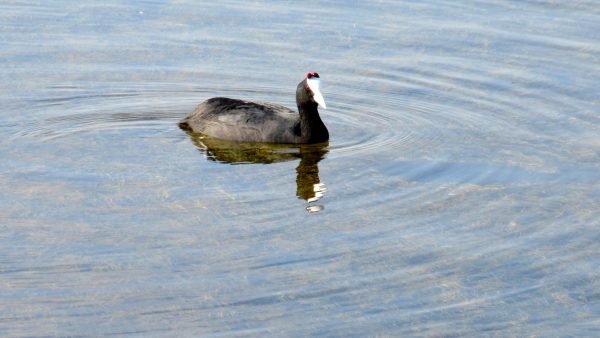
Welcoming 2023 with a beautiful sunrise over the Mediterranean.The Via Augustus roman road led us to Elche.Elche has a long history so we headed to the Archeology Museum.A large sculpture of the Dama de Elche is outside.The real one is in the National Museum in Madrid but this is the replica. Scholars think it was painted in multiple colors which we saw in another section of the museum.Elche is also a UNESCO world Heritage site for the ancient groves of date palm trees.The doves and pigeons seem quite content to make this their home.A few miles south is the Natural Park El Fondo where we walked over the Salt Marshes.There were several of these red-knobbed coots – a Eurasian water fowl.Enjoying the Peñón de Ifach as we near our balcony in Calpe for Wine O’clock.
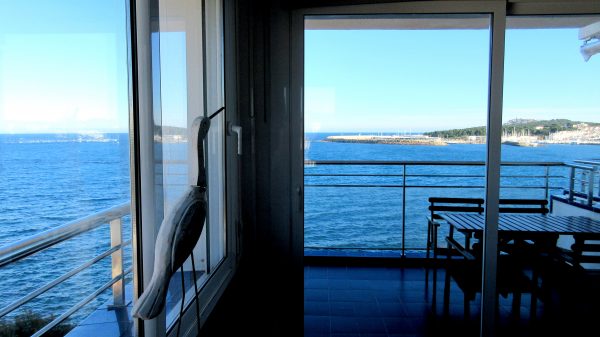
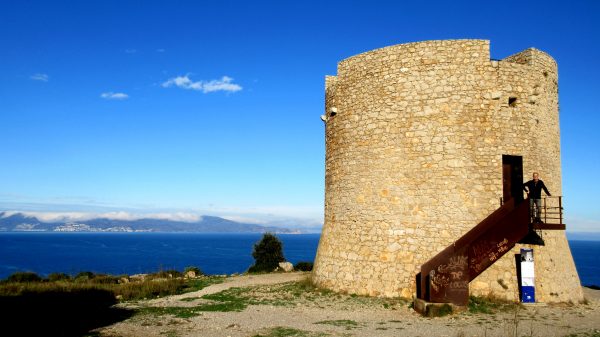
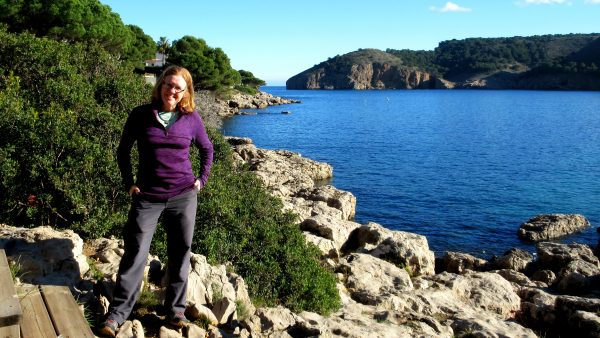
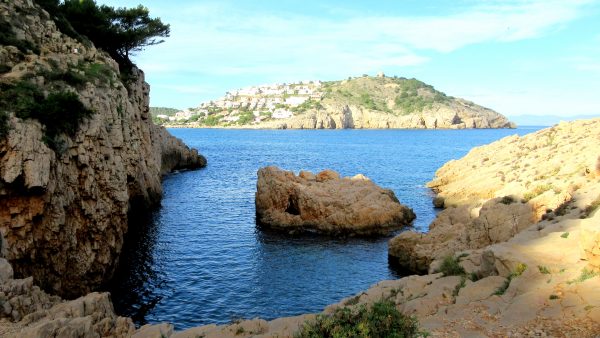
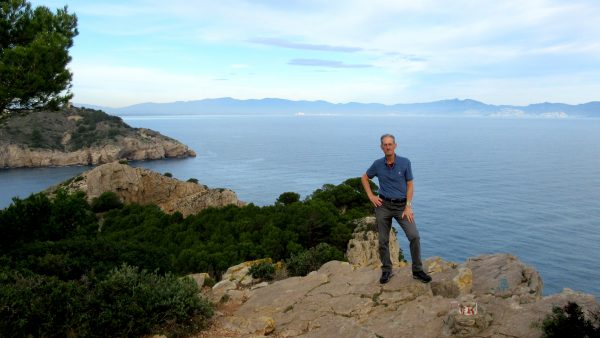
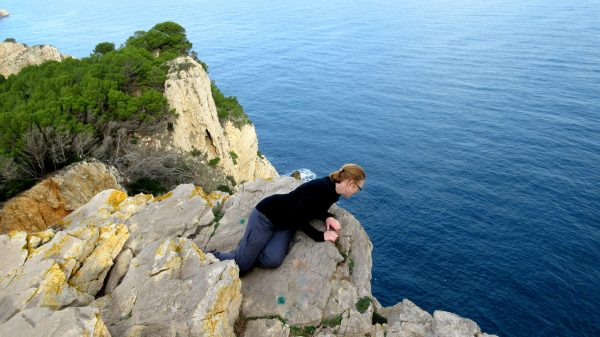
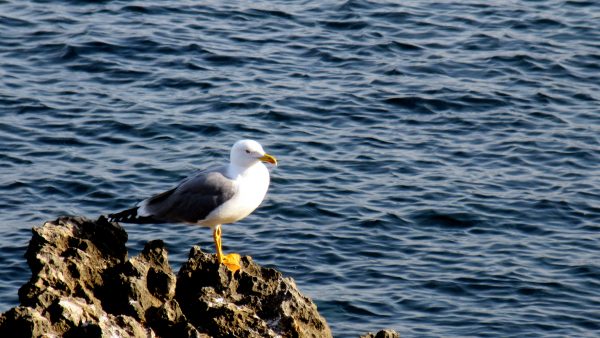
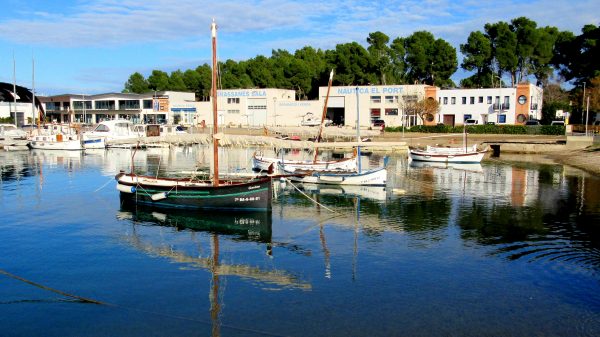
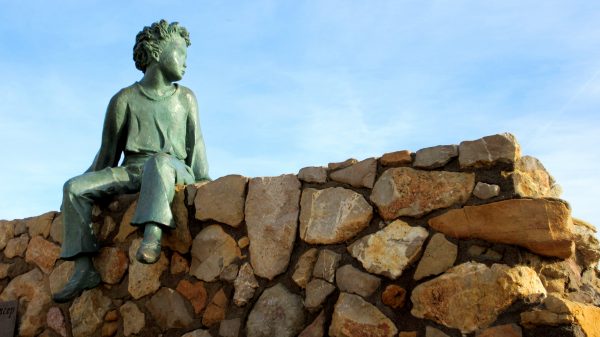
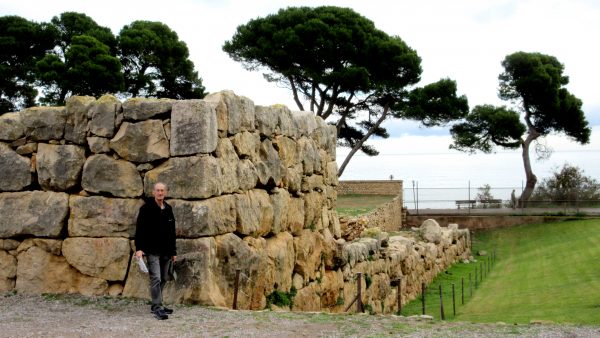
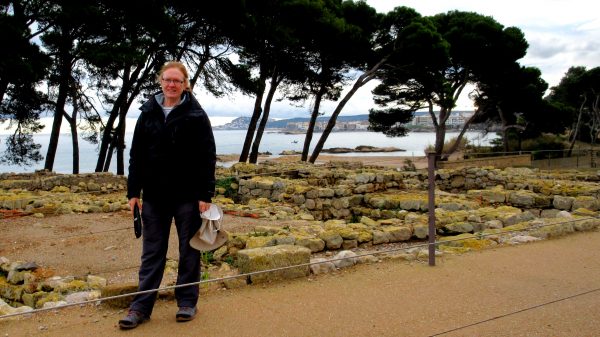
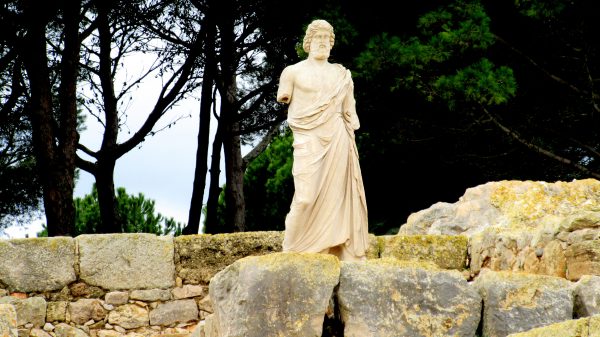
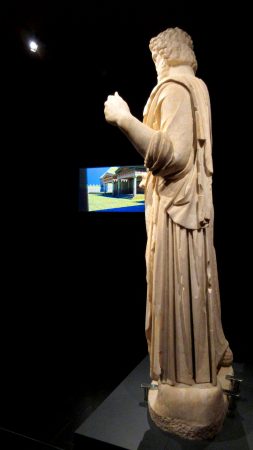
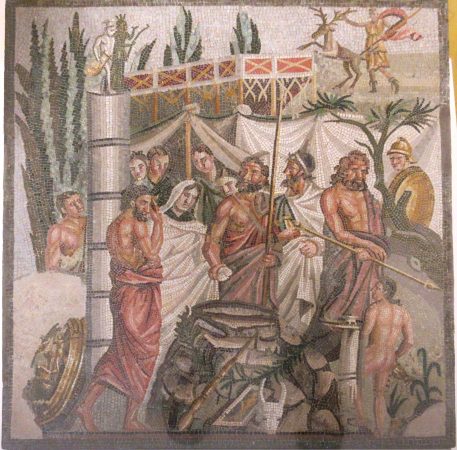
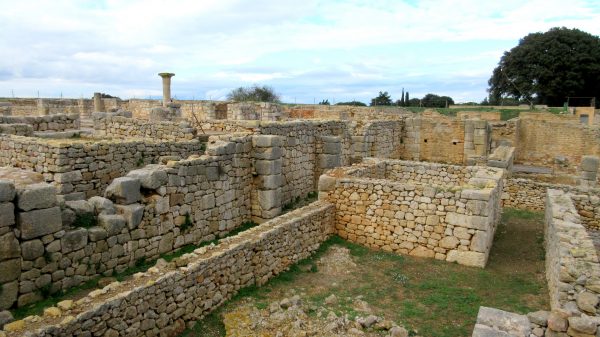
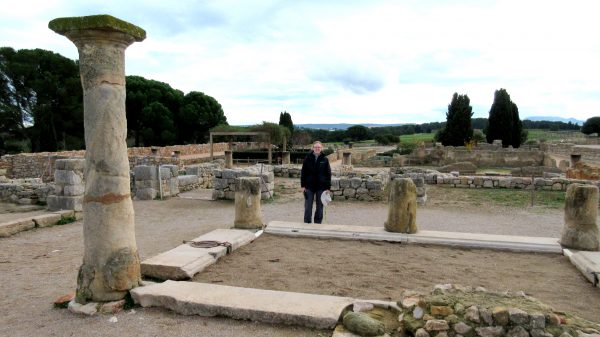
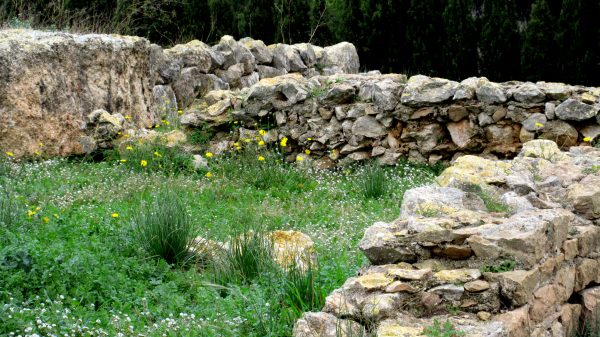
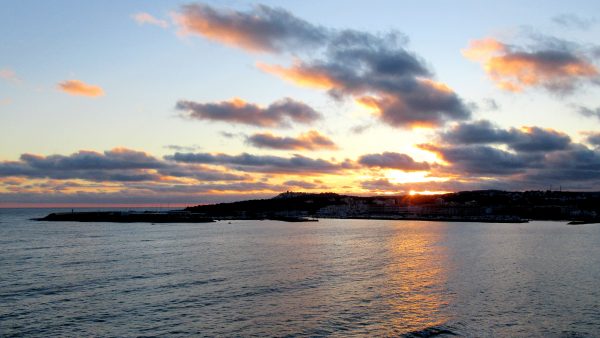
L’Escala Apartment In Front of the Sea looked the same after we were gone for 996 days waiting for our return so we could continue our Spain vacation.Henry guarding the keep at Torre Montgo. He could see the Barbarian approaching for miles. Our previous pictures of L’escala.There is a beautiful cove and the Platja de Montgo on the other side of the tower. We decided to walk to the cliff on the other side.Looking back from Cala MongoBeautiful Bay of Roses from Punta Ventosa.What does the sea look like down there? From Punta Ventosa.The Seagulls look different with a black and white tail.We enjoyed a walk around the marina and especially the old fishing boats.Walking back along the shore and the Reilles beach is The Little Prince reminding us that what we tame is important to us.The city of Emporion on the Bay of Roses off the Mediterranean Sea is where the Greeks first landed on the Iberian peninsula.The Ruïnes d’Empúries shows many different centuries of Greek building.Asclepius is the god of medicine and this replica looks over his temple – and the Greek Ruïnes d’EmpúriesThe real marble carving is inside the museum with a 3D computer recreation movie of Empúries as it looked in the 2nd century BC.This incredible roman mosaic (each piece smaller than the end of your pinky) from the 1st century BC depicts the myth of the sacrifice of Ipigenia.So the Romans drove out the Greeks and built their larger city adjacent but inland to complete the archeology Ruïnes d’Empúries.This is part of the Roman city with baths, mansions, mosaic floors and all sorts of interesting architecture.This is a small Roman courtyard in one of the massive mansions.The edge of the city has a concrete wall which was one of the earliest examples of Roman concrete we had actually seen.Sunrise on the Mediterranean is a great way to celebrate the winter solstice.